

The Most Important Questions Before Buying a Garage: Planning, Costs, & Decision-Making Guide
A garage is more than just a roof over your car. It protects against the weather, keeps your property organized, makes everyday life easier, and can enhance the curb appeal of your property. But before buying a garage, there are many questions to consider: What size is right? What features make sense? How much does a garage really cost? And when do you need a building permit?
This guide will help you plan your garage purchase step by step. It’s based on the provided guidelines for focus keyphrases, keywords, structure, and sources, as well as supplementary research on ZAPF, charging infrastructure, safety, and legal requirements.
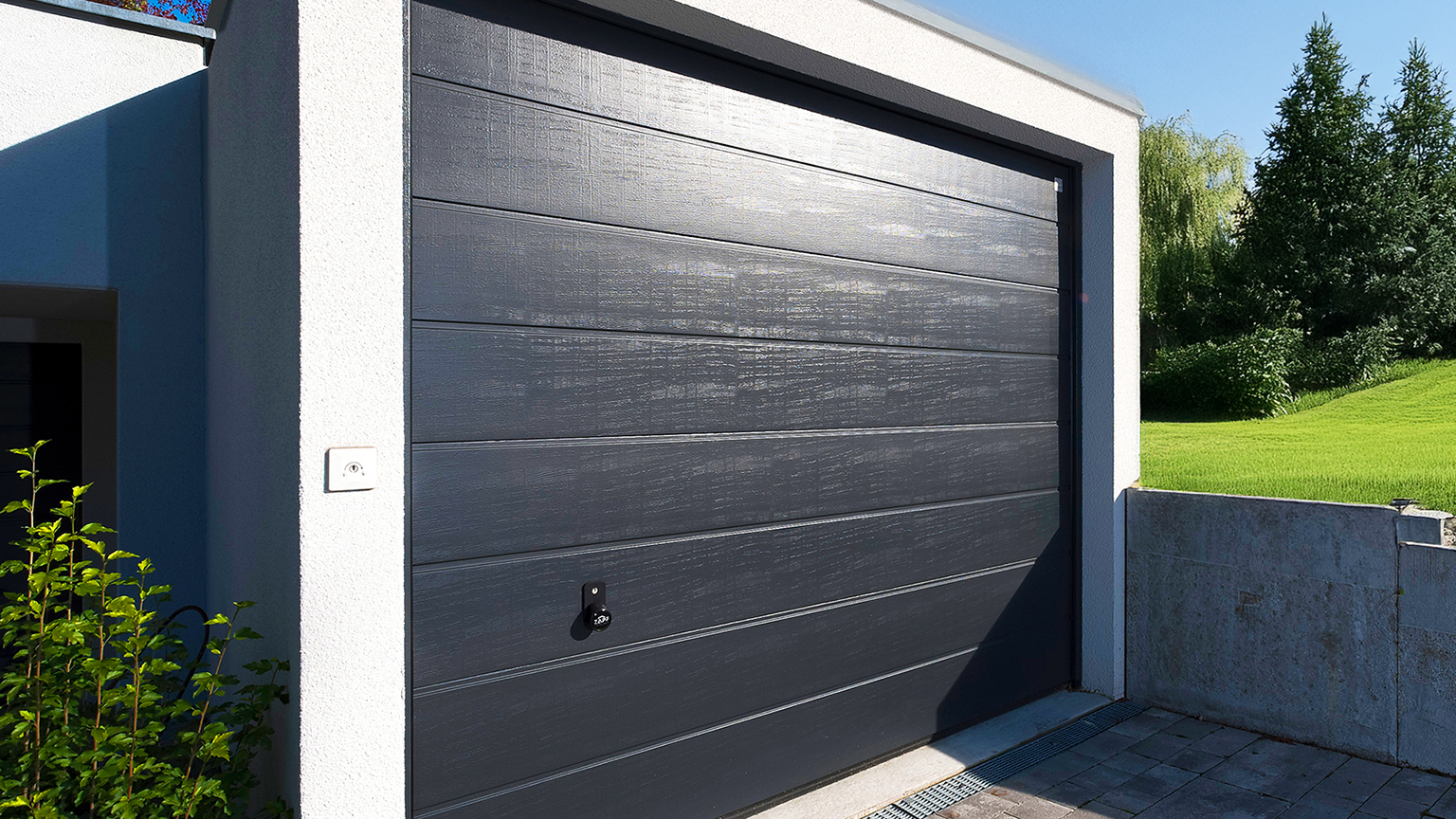
The Most Important Points at a Glance
- Why is proper planning crucial before buying a garage? Planning early helps you avoid costly changes and find a garage that truly fits your everyday life.
- What requirements must my garage meet? The garage should not only accommodate your current car but also bicycles, e-bikes, garden tools, storage space, and any future plans.
- What’s the right garage size? The right size depends on the number of vehicles, desired convenience, the property, access, and additional storage space.
- Prefab garage, brick garage, or carport: Which solution is a better fit? A prefab garage is often quicker to plan, while a brick garage offers more customization and a carport is more open but provides less protection.
- How much does a garage really cost? In addition to the purchase price, you’ll also need to factor in the foundation, delivery, installation, garage door, electrical work, access, and other ancillary costs.
- Do I need a building permit for my garage? Permit requirements depend on the state, the size, the location, the zoning plan, and the neighboring properties.
- Where should the garage be located on the property? The location should combine short distances, good access, sufficient maneuvering space, and an appealing appearance.
Why is proper planning crucial before buying a garage?
Buying a garage doesn’t start with the price, but with everyday life. After all, a garage is meant to function every day. It should provide a safe place to park your car, make it easier to get into the house, create space for accessories, and fit in with the property. That’s why it’s worth thinking not just about the parking space, but about the overall use of the garage.
Many homeowners don’t realize until later that a few extra centimeters in width can make a big difference in convenience. Others discover after the purchase that there aren’t enough electrical outlets, the garage door is in an inconvenient location, or the walk from the car to the front door is too long. That’s exactly why good planning is so important. It turns a simple garage into a practical part of the home.
To this end, ZAPF offers, among other things, a 3D garage configurator that allows you to digitally plan the size, features, windows, doors, or green roof and view them in realistic 3D renderings. This helps bring your ideas to life early on and makes it easier to compare different options.
What requirements must my garage meet?
Before you buy a garage, you should first determine what you actually need to store there. Is it just a small car? Or will it house an SUV, a family car, a motorcycle, a bike trailer, or perhaps an electric car soon? E-bikes, children’s bikes, tools, tires, roof boxes, and garden tools also require space.
It’s not just about storage—it’s also about movement. Doors need to open without hitting the wall. You should be able to unload groceries comfortably. Children need space to get in and out of the car. And if you plan to install shelves, you should still be able to stand comfortably in front of them.
A good garage-buying checklist therefore starts with simple questions: What’s in the garage today? What might be added in five or ten years? And should the garage just provide protection, or also help keep the outdoor area organized? Answering these questions honestly leads to more realistic planning.
What’s the right garage size?
The right garage size depends heavily on how you’ll use it. A single-car garage is often sufficient if you only need to park one car. A two-car garage offers space for two vehicles or for one car plus plenty of storage space. A large garage can be a good choice if comfort, maneuvering space, and additional uses are particularly important.
When calculating garage size, you shouldn’t just consider the vehicle’s dimensions. Other factors—such as mirrors, open doors, shelves, bicycles, trash cans, workbenches, strollers, or garden tools—are also crucial. Modern vehicles, in particular, are often wider than older models. That’s why a garage that’s been planned too tightly can quickly become inconvenient in everyday life.
The driveway is also a factor in determining the right size. A garage is of little use if parking becomes a test of patience every evening. Therefore, pay attention to the driveway width, curves, slope, and distance from the street. Convenient parking doesn’t just mean that the car fits inside, but that you can drive in, get out, and stow your belongings without stress.
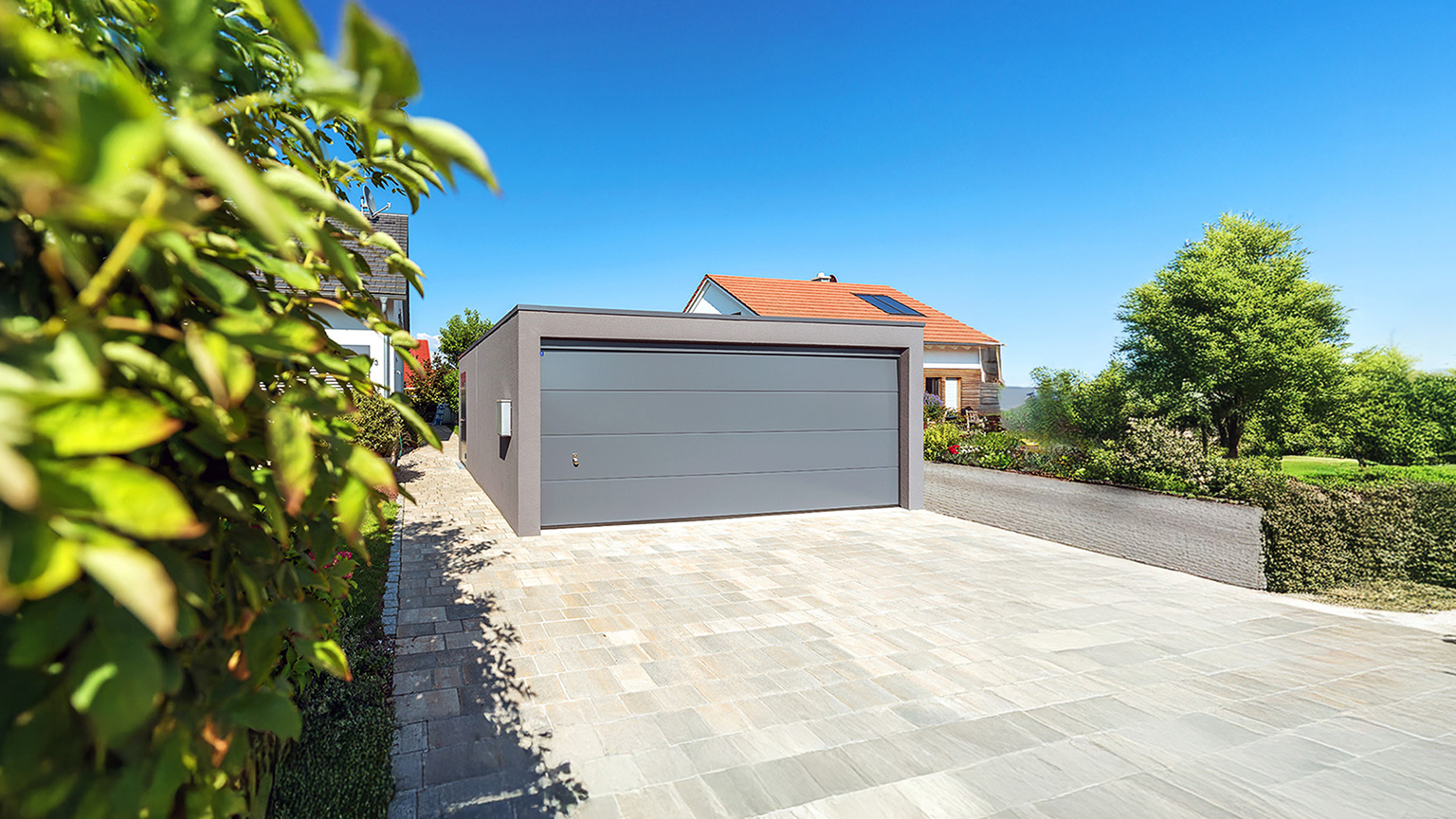
Prefab garage, brick garage, or carport: Which solution is best?
Before buying a garage, many homeowners compare three options: a prefab garage, a brick garage, and a carport. Each solution has its own advantages. That’s why there isn’t just one “right” answer—rather, there’s the solution that best fits your lot, budget, timeline, and intended use.
A prefab garage is usually easier to plan because many components are pre-fabricated, and construction can be completed more quickly than with a fully brick-built structure. It’s particularly well-suited for homeowners looking for a straightforward solution with predictable features. ZAPF, for example, offers various garage types—such as single-car garages, double garages, large-capacity garages, or variants with extensions—in its configurator.
A brick garage can be customized extensively but is often more complex to plan and build. A carport is an open-air alternative that provides protection from the sun, rain, or snow, but offers less security, less enclosed storage space, and less protection from wind, leaves, or dirt. For those who want to park their car safely while also creating a secure parking area next to the house, a closed garage is often the best way to achieve their goals.
How much does a garage really cost?
The question of prefab garage costs is important, but it shouldn’t be narrowed down too early. After all, the purchase price alone is only one part of planning for garage costs. Materials, size, door, features, foundation, delivery, installation, earthwork, drainage, access, and electrical work can all influence the total price.
Anyone looking to buy a garage should therefore not just ask for a flat-rate price. It’s better to get a specific quote that takes into account the actual conditions on the property. This includes soil conditions, access, desired dimensions, features, and any special requests. An electric door opener, windows, a side door, lighting, or preparation for a wallbox can also affect the price.
This is exactly why a configurator is helpful. It’s no substitute for a personal consultation, but it provides guidance. The ZAPF configurator notes that the final price is determined after a personal consultation, because every solution is tailored to the on-site conditions.
Do I need a building permit for my garage?
There is no one-size-fits-all answer to whether a building permit is required for a garage. The rules vary depending on the state, municipality, zoning plan, size, height, and location. Garages, structures on property lines, distance from neighbors, and building lines also play a role.
In many cases, smaller garages may be exempt from permit requirements under certain conditions. However, this does not mean you can simply build however you like. Even garages exempt from permits must comply with building code requirements. In its guide to building permits, ZAPF points out that factors such as size, construction on property lines, lot area, state, and state building codes determine whether a permit is required.
In practice, this means: Check with the relevant building authority before making a purchase. Clarify the zoning plan, setback requirements, permitted height, roof shape, and required documentation. This will help you avoid delays and unpleasant surprises.
Where should the garage be located on the property?
The location determines how convenient the garage will be to use later on. The ideal spot is one that’s close by yet still easily accessible. Anyone who gets out of the car in the rain with shopping bags, children, or work supplies will quickly realize how valuable a short walk to the front door is.
The driveway also needs to be right. Plan for enough space to maneuver and pay attention to the width of the entrance. If the garage is too close to a narrow street, parking can be difficult. If it’s too far back, every trip takes extra time.
In addition to functionality, aesthetics matter too. A garage significantly shapes the exterior of your property. The color, door, roof shape, windows, and doors should therefore complement the house. This ensures the garage doesn’t look out of place on the property but instead becomes a harmonious part of the home and outdoor design.
What features make sense?
The right features turn a simple garage into a space that’s truly useful. A good garage door provides protection, looks appropriate, and is easy to operate. A side door is practical if you want to quickly grab a bike, tools, or garden equipment without having to open the large garage door every time. Windows bring natural light into the garage and improve visibility.
Electrical systems are particularly important. Lighting, outlets, a garage door opener, and potential wallbox preparation should be planned early on. Organization systems such as shelves, hooks, or wall mounts also ensure that not everything is left on the floor. This leaves enough space for the car and makes the storage space in the house truly usable.
When choosing a garage door, comfort, security, and aesthetics should all align. Anyone who drives every day will quickly appreciate an electric garage door. Those who want to store bicycles or e-bikes safely should also look for sturdy doors and good lighting.

Don’t miss out on any more information!
Don’t want to miss out on creative ideas for your garage? Whether it’s clever uses, new products, or exclusive promotions, our ZAPF newsletter will keep you one step ahead. Get regular inspiration delivered straight to your inbox and stay up to date on how versatile a ZAPF garage really can be. Simply sign up and become part of our community – it’s easy and, of course, free.
How secure is the garage?
A closed garage offers a clear advantage over open-air parking. It protects your vehicle from hail, frost, UV rays, dirt, leaves, and minor damage. It also makes it more difficult for anyone to gain direct access to your car, e-bike, tools, or accessories.
But security isn’t just about a locked door. Lighting, sturdy side doors, good locks, and a well-organized layout also help. When it comes to theft protection, the ADAC recommends, among other things, combining multiple security systems and cites mechanical protection as an important measure.
Especially for high-value vehicles, e-bikes, or expensive accessories, a secure storage area attached to the house is therefore a strong selling point. After all, what isn’t openly visible attracts less attention and is better protected.
Is the garage suitable for an electric car, e-bike, or wallbox?
Electric mobility is changing garage planning. Anyone planning a prefab garage today should therefore consider whether an electric car, an e-bike, or a wallbox might be added later. Even if you don’t currently drive an electric car, it may be wise to plan ahead.
Key considerations include a power connection, wiring routes, space for a wallbox, and safe installation. The Building Electric Mobility Infrastructure Act regulates the provision of preparatory wiring infrastructure and charging infrastructure for electric mobility in certain types of buildings. For private single-car garages, however, professional planning by specialized contractors remains crucial.
The VdS publication on electric vehicles in enclosed garages emphasizes that professionally installed, tested, and maintained electrical systems support the safe operation of charging stations. It also points out that standard household extension cords or power strips should not be used for charging.
What questions should I ask the provider before making a purchase?
A good consultation saves time, money, and uncertainty. Therefore, ask specific questions. What is included in the price? What are the foundation requirements? Are delivery and installation services included? What dimensions, gates, doors, windows, and features are available? And what documentation will be provided for the building department or the permit application?
Warranty, service, delivery time, access for the installation vehicle, and site preparation should also be discussed. If a wallbox is planned, the electrical installation should also be on the list. And if the garage is to be built right on the property line, you should clarify legal issues as early as possible.
A consultation is especially valuable when it focuses on asking questions rather than just making a sale. After all, the best garage isn’t the biggest or most expensive one, but the one that fits your property, your daily life, and your budget.
How do homeowners make the right decision when buying a garage?
Buying a garage becomes easier if you take a step-by-step approach. First, determine your needs. Next, consider size, location, building codes, features, and budget. Then you can compare options and decide whether a single-car garage, double garage, large-capacity garage, prefab garage, brick garage, or carport is the best fit.
It’s important not to focus solely on your current needs. Consider a family car, a second car, an e-bike, a wallbox, garden tools, and storage space. This way, you’ll end up with a garage that not only works now but will also remain useful for years to come.
Planning early helps you avoid additional costs and ensures you get a garage that makes everyday life easier. A digital garage configurator and a personal consultation can help turn your initial ideas into a clear solution.
FAQ
Which garage is right for me if I only have one car?
A single-car garage is often sufficient for one car. However, if you want to store bicycles, tires, garden tools, or e-bikes, a wider or longer garage might be a good idea. The garage should be several meters in size so that doors can be opened comfortably and there’s enough space to move around. The driveway also plays an important role. That’s why you should plan the driveway for your precast concrete garage and factor in the extra space from the very beginning.
What’s more important when buying a garage: price or features?
Both go hand in hand. A low price isn’t much help if the garage later lacks a door opener, lighting, electrical outlets, storage space, smart home integration, a wallbox, or the ability to safely charge an e-bike. When planning your garage budget, you should therefore consider not only the purchase price but also the additional costs of construction, the features, and future use. Depending on size, features, and the provider, garages can cost over 10,000 euros, for example.
Sources
Laws online – Building and Electric Mobility Infrastructure Act (GEIG) https://www.gesetze-im-internet.de/geig/
VdS Damage Prevention – Electric Vehicles in Enclosed Garages, Safety Instructions https://shop.vds.de/download/vds-3885
ADAC – Securing Your Car Against Thefthttps://www.adac.de/rund-ums-fahrzeug/ausstattung-technik-zubehoer/zubehoer/auto-diebstahl-sichern/
Federal Ministry of Justice – Guidance on Building Regulations and Laws Onlinehttps://www.gesetze-im-internet.de/
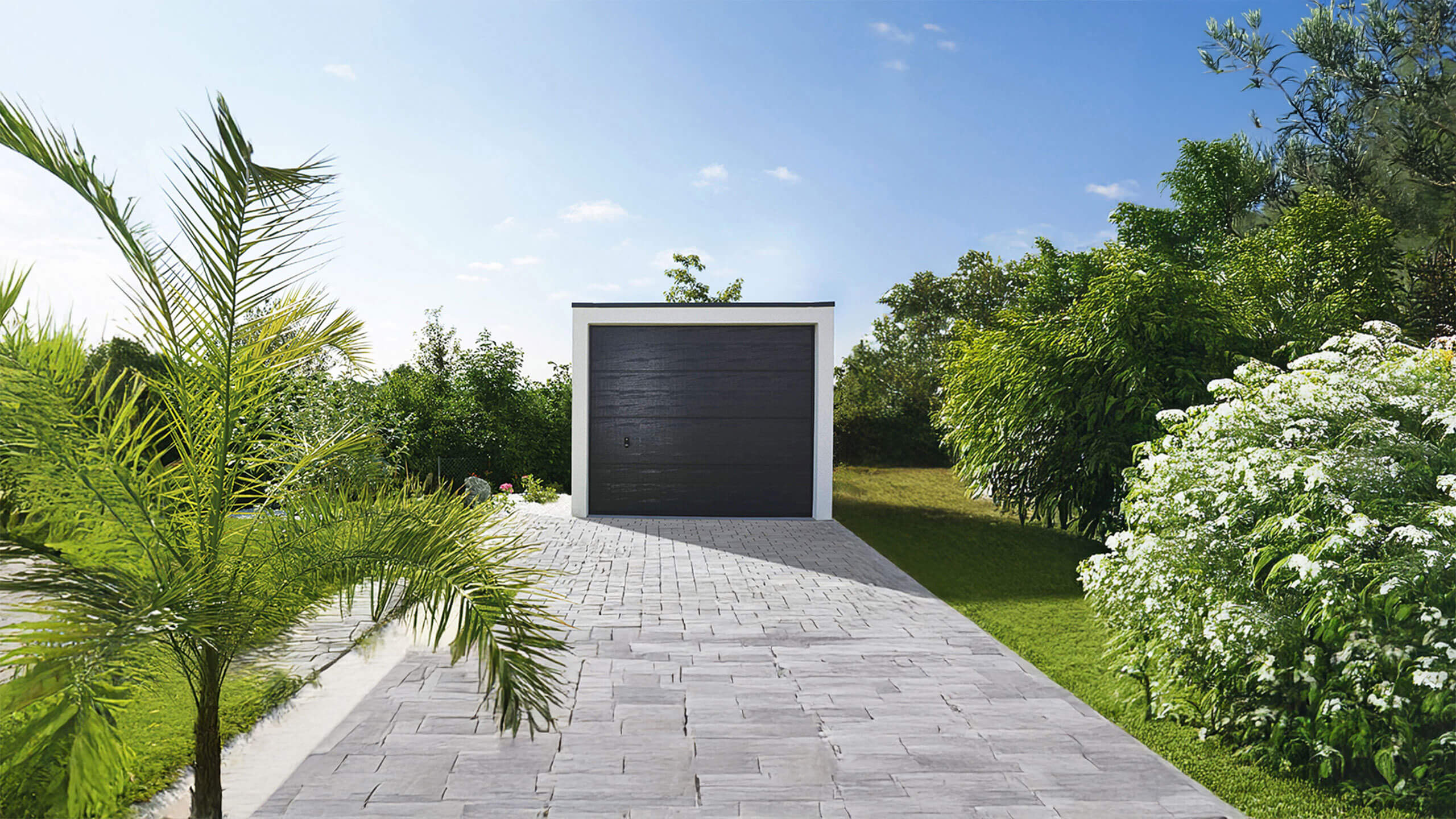
Configure your garage in 3D now and experience it virtually on your own property!
With our garage configurator, you can easily and intuitively put together the size, features, doors, windows, and extras in just a few steps. We will then arrange a non-binding consultation appointment with you, on the basis of which you will receive an individual quote, naturally at a fair price and with no obligation to purchase. Experience your configured garage in impressive 3D visualization during the non-binding consultation appointment.