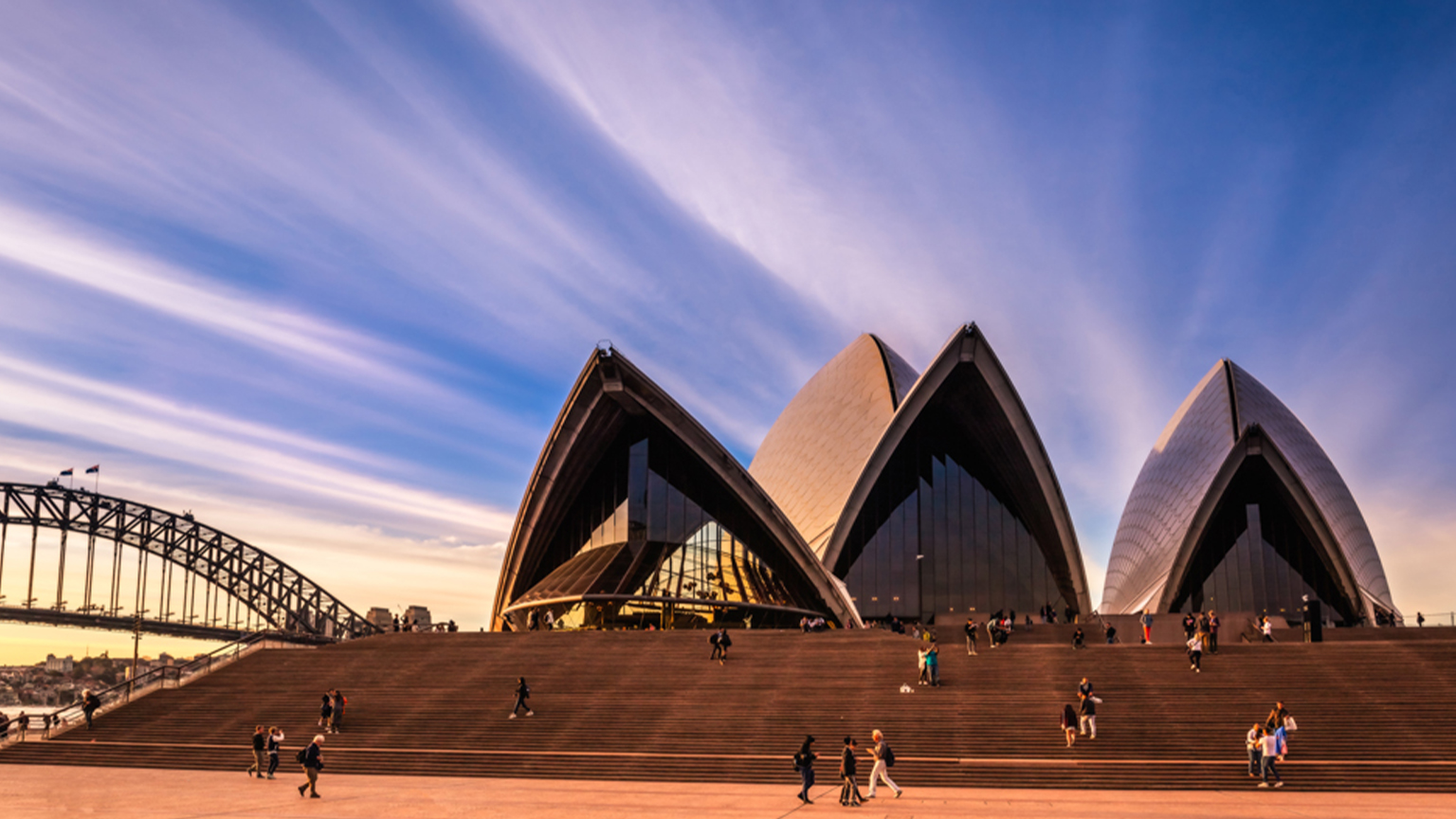
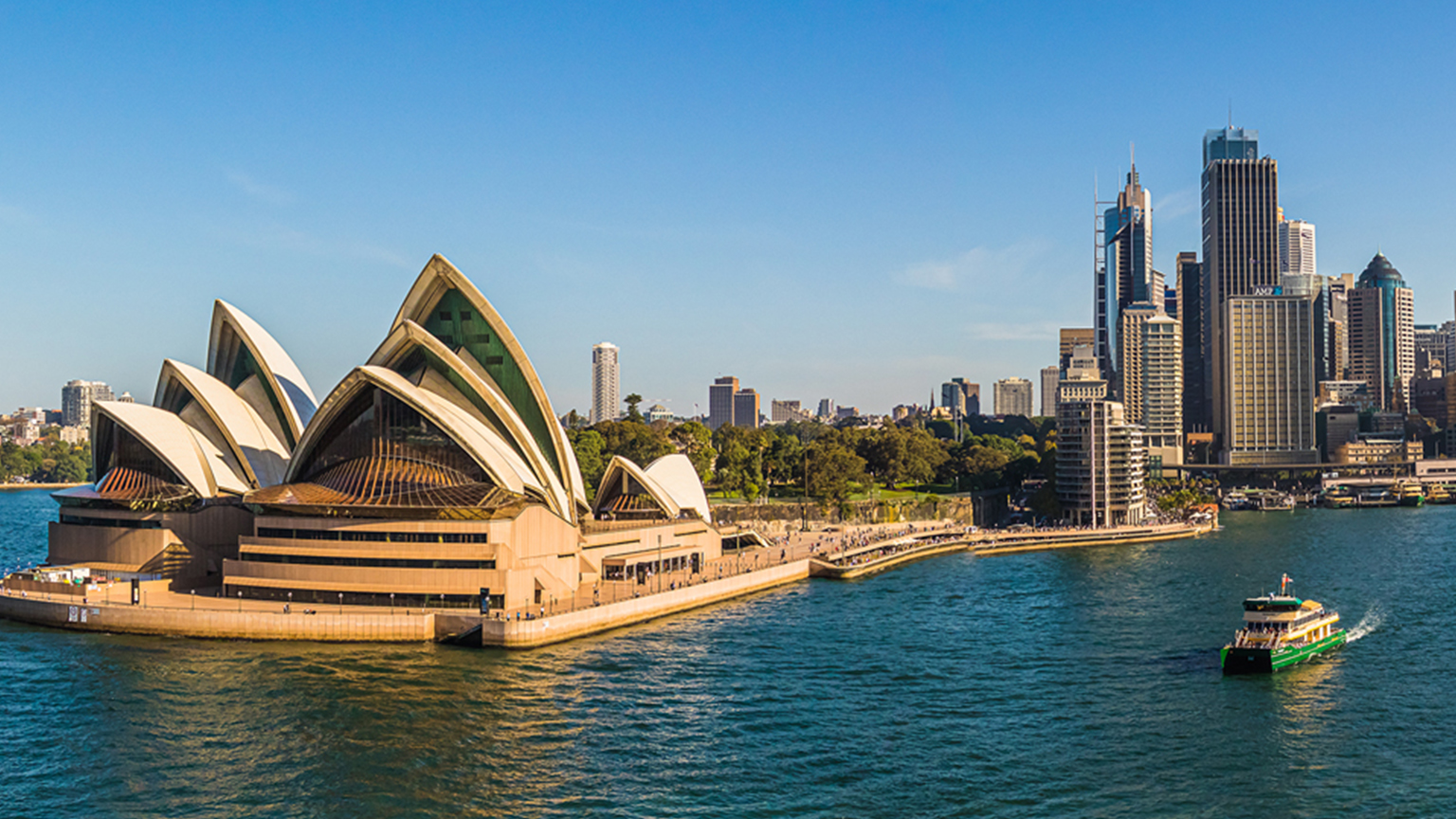
The Sydney Opera House, with its sail-shaped roofs rising elegantly over Sydney Harbour, is not only an iconic Australian landmark but also a masterpiece of modern architecture. This iconic structure and precast concrete garages share some similarities in terms of the use of concrete and prefabrication but differ significantly in their complexity and architectural significance. Concrete has a long history in architecture, from Roman aqueducts to the modern marvels we admire today. Let’s delve into the world of the Sydney Opera House and its innovative construction.
Aesthetic elegance and robustness: the role of concrete
The Sydney Opera House is a prime example of the aesthetic flexibility of concrete. The designers, led by Jørn Utzon, used prefabricated concrete segments and innovative reinforcement techniques to create the unique, sail-shaped roofs. These were not only structurally challenging but also visually stunning. The roofs consist of 2,194 prefabricated concrete segments reinforced with 350 kilometers of steel cable. Contrary to popular belief, the roofs are not covered with exposed concrete but with over a million white and cream-colored tiles from Sweden.

Don’t miss any more information!
Don’t want to miss out on creative ideas for your garage? Whether it’s smart usage options, new products, or exclusive promotions, with our ZAPF newsletter, you are always one step ahead. Get regular fresh inspiration straight to your inbox and stay up to date on how versatile a ZAPF garage really can be. Simply subscribe and become part of our community – it’s easy and, of course, free of charge.
Vorfertigung: Effizienz trifft auf Weltklasse-Design
Die Vorfertigungstechnik, die beim Bau des Sydney Opera House zum Einsatz kam, ermöglichte eine Detailgenauigkeit, die bei herkömmlichen Methoden schwer zu erreichen gewesen wäre. Spezifische Elemente wie die Dachsegmente wurden vorab gefertigt und präzise zusammengesetzt. Einige dieser vorgefertigten Betonstücke wogen bis zu 15 Tonnen. Die Vorfertigung ermöglichte nicht nur eine schnellere Bauweise, sondern auch eine hohe Qualität und Genauigkeit in der Ausführung.
Anpassungsfähigkeit und Integration in die Umgebung
Das Sydney Opera House zeigt eine bemerkenswerte Anpassungsfähigkeit an seine Umgebung. Es ergänzt die natürliche Schönheit des Hafens und wird Teil der landschaftlichen Komposition. Die Verwendung von rosa Granit aus Tarana für die Außenverkleidung und polarisiertem Glas für die Fassaden trägt zur harmonischen Integration des Gebäudes in seine Umgebung bei.
The integration of form and function
The Sydney Opera House is a masterpiece that balances design and acoustics. However, there were initially significant acoustic problems. After Utzon’s retirement, it was noted that his original acoustic design only allowed for 2000 seats in the main auditorium, and the increase to 3000 seats was described as “disastrous for the acoustics.” More recently, extensive improvements have been made to optimize the acoustics.
Conclusion
The Sydney Opera House is a symbol of the innovative use of concrete, the precision of prefabrication, and the successful integration of form and function. It inspires us to fully exploit the possibilities of this versatile material and to continue to explore sustainable and efficient construction methods. While precast concrete garages can benefit from similar principles of prefabrication, the complexity and architectural significance of the Sydney Opera House are incomparably greater.
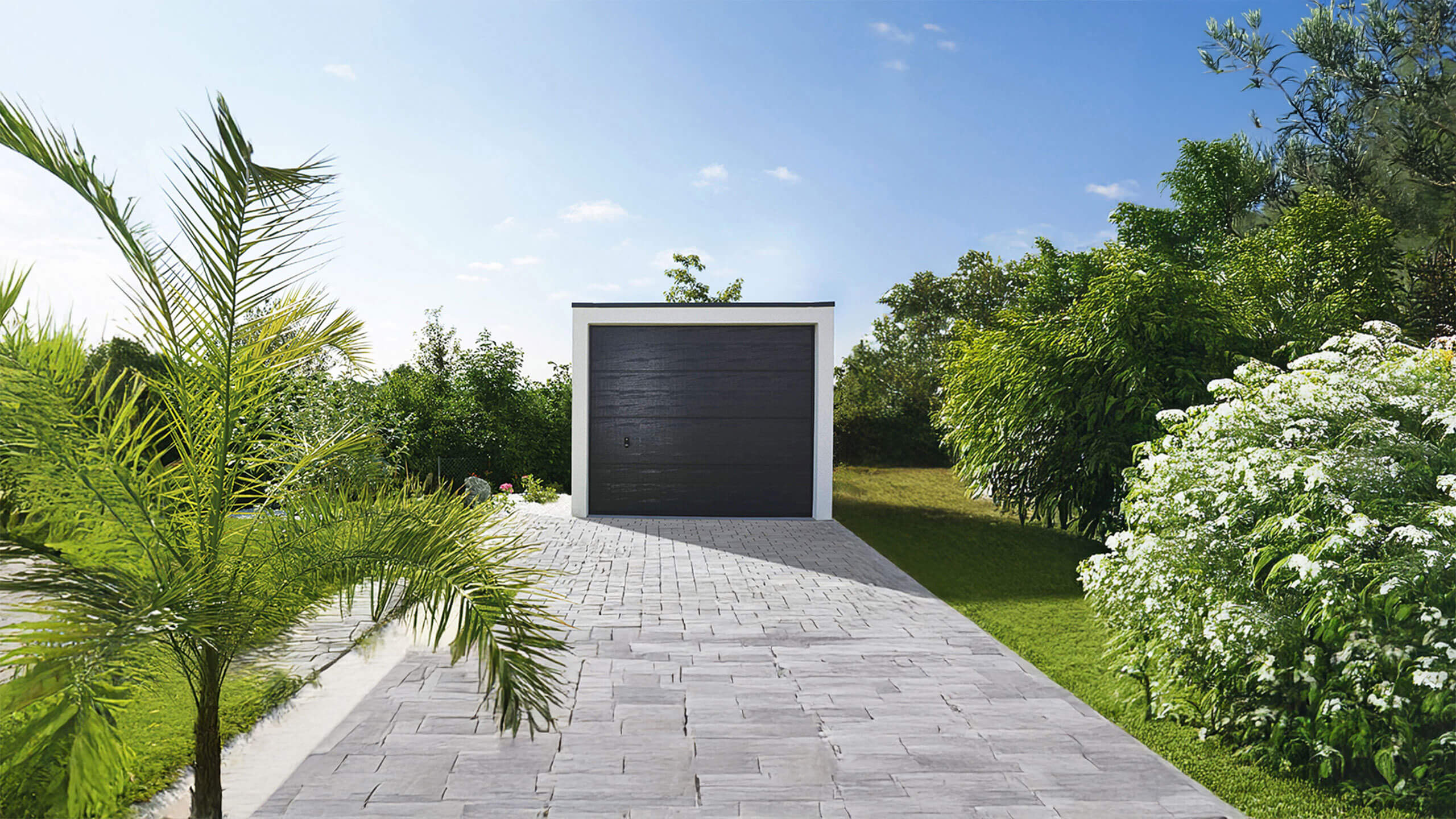
Configure your garage in 3D now and experience it virtually in 3D on your own property!
With our garage configurator, you can easily and intuitively put together the size, fittings, doors, windows, and extras in just a few steps. We will then arrange a