
Storing Your Motorhome Safely: Which Garage Is Right for You?
Owning a motorhome symbolizes freedom, yet it also presents practical challenges in everyday life. After all, anyone looking to store their motorhome needs a solution that combines protection, convenience, and ease of use. This is precisely where the importance of a well-designed motorhome storage solution becomes clear, as it not only protects the vehicle but also supports your entire outdoor lifestyle with the camper. When you park your motorhome at home, you create a flexible base for spontaneous trips, and at the same time, you integrate your camper sensibly into your home.

The Most Important Points at a Glance
- Why is a sheltered parking space crucial for your motorhome? A sheltered space helps protect the motorhome from the weather and reduces maintenance and costs.
- What requirements does a motorhome have for parking and storage? The space requirements are significant, so height, length, and access must be well planned.
- What types of motorhome storage are available—and how do they differ? From large motorhome garages to carports, there are various solutions with different advantages.
- Pre-built solution or custom design? A motorhome shelter can be set up quickly, while custom solutions offer a better fit.
- Why is a parking spot for your motorhome more than just a practical storage area—and what lifestyle factor is behind it? A motorhome parking spot at home quickly becomes the hub for preparation and your hobby.
- How can you effectively protect your motorhome? Good theft protection safeguards your vehicle and provides peace of mind.
- How do you effectively protect a motorhome from weather and environmental influences? A canopy helps keep the motorhome weatherproof while in storage.
- What planning and legal aspects should be considered when storing a motorhome? Anyone planning a parking spot should take regulations into account early on.
- What are the costs involved in storing a motorhome? The costs for a shelter vary greatly depending on the solution.
- What typical planning mistakes should you avoid when storing your motorhome? Mistakes regarding height or access often lead to problems.
- What is the best solution for your camper lifestyle? A well-thought-out solution combines protection with practicality for everyday use.
Why is a protected parking spot crucial for your motorhome?
When you store your motorhome at home, it’s not just about having a parking spot, but also about protecting the vehicle in the long term. Rain, sun, and frost affect the vehicle daily, and without protection, damage to the paint, seals, or interior can quickly occur. This is precisely why it’s important to protect your motorhome from the weather, so materials last longer and less damage occurs.
At the same time, you save time and effort because you can park your motorhome at home and use it whenever you want. This turns your home into your own parking spot, and that’s exactly what makes everyday life more convenient. Plus, you can set off on vacation more spontaneously because everything is already set up.
What requirements does a motorhome have for parking and storage?
A large vehicle comes with specific requirements, which is exactly why you need to realistically assess the space needed. Many models are tall and long, so a standard garage is often insufficient. When planning a parking spot, you should consider these dimensions early on.
Access also plays an important role, as you want to park your vehicle at home without having to maneuver constantly. Therefore, you should plan for sufficient space so that you can move your vehicle safely. At the same time, height is crucial, especially if you install a canopy or a gate.
What types of storage are available for motorhomes—and how do they differ?
If you want to store your motorhome safely, there are various options available, and each has its own advantages. A large motorhome garage offers maximum protection because it completely encloses the vehicle, making it particularly suitable for high-end models.
A carport is more flexible, while also providing reliable protection from rain and sun. Many people deliberately choose this solution because it represents a good compromise. A weatherproof camper shelter can also be a practical option because it offers protection while remaining open.
An open parking spot is the simplest solution, but here you’ll need to take additional measures to ensure your vehicle is parked safely. At the same time, there are many ideas for shelters that can be customized, creating a solution that fits your daily life perfectly.
Don’t miss out on any more information!
Don’t want to miss out on creative ideas for your garage? Whether it’s clever uses, new products, or exclusive promotions, our ZAPF newsletter will keep you one step ahead. Get regular inspiration delivered straight to your inbox and stay up to date on how versatile a ZAPF garage really can be. Simply sign up and become part of our community – it’s easy and, of course, free.
Ready-made solution or custom design?
Many start with a ready-made solution because a camper shelter is quick to set up and the costs are easy to plan. This option is particularly suitable if you’re looking for a simple and quick solution.
A custom design, however, goes a step further, as you can plan your shelter yourself and tailor it exactly to your needs. This results in a solution that works better in the long run and fits perfectly into your property.
Materials like concrete, steel, or wood offer different advantages, so you should carefully decide what suits you best. Ultimately, it all depends on how frequently you use your vehicle and what level of comfort you desire.
Why is a parking spot for your RV more than just a practical parking space—and what lifestyle factor is behind it?
A parking spot at home is often more than just a parking space these days, as it becomes part of the overall camper lifestyle. Many people create additional storage space so that furniture and accessories are right at their fingertips, making usage much easier.
A small workbench or a dedicated repair area is also useful, as it allows you to handle maintenance and repairs right at home. An electrical connection is also essential, as it enables you to charge batteries and power devices.
This creates a space where you can actively embrace your outdoor lifestyle, and at the same time, the journey begins right at home.
How can you effectively protect your motorhome?
An important consideration is theft protection, as a large vehicle is often an attractive target. A closed-off solution offers clear advantages here because it makes access more difficult.
Additionally, lighting and camera systems help because they act as a deterrent. At the same time, privacy screens ensure that your vehicle is less visible. This allows you to park your vehicle safely while reducing the risk.
How do you effectively protect a motorhome from weather and environmental influences?
If you want to store your motorhome in a weatherproof manner, you should consider various factors. UV radiation damages materials, which is why a canopy is particularly useful.
In winter, frost plays a major role because it can damage pipes and components. Protected storage significantly reduces this risk. At the same time, a sturdy structure protects against hail and storms.
Additionally, your vehicle stays cleaner, making maintenance at home easier and faster.
What planning and legal aspects should be considered when storing a motorhome?
When planning your parking space, you must comply with legal requirements, which vary by region. Distances, height, and size are often regulated, so you should research these early on.
Good planning helps avoid problems and saves you money, as retroactive changes are costly.
What are the costs involved in storing a motorhome?
The costs depend heavily on the solution you choose, so it’s worth making a detailed comparison. A simple canopy is more affordable, while a large garage costs significantly more.
Additional costs also play a role, such as those for foundations or technical systems. At the same time, you should think long-term, as a good solution saves on maintenance costs and preserves the value of your vehicle.
What common planning mistakes should you avoid when storing your RV?
Many people underestimate the space required, which leads to problems when maneuvering. Height is also often misjudged, resulting in the vehicle not fitting under the structure.
A missing power connection or a driveway that’s too narrow are other common mistakes that can easily be avoided if you plan early.
What is the best solution for your camper lifestyle?
Storing a motorhome safely means sensibly combining all requirements—and that is exactly why thorough planning is worthwhile. When planning your RV parking spot, various factors come into play: the actual space requirements of your RV, the conditions on your property, and your personal expectations for comfort.
Whether you opt for a shelter or build a custom-designed RV garage large enough for your vehicle—the right choice depends heavily on your daily routine. Many people consciously choose to park their camper at home to stay flexible and be ready to go at any time.
There are numerous camper storage ideas to consider: from building a classic camper shelter to well-thought-out, permanent solutions. It’s important that all camper protection solutions are tailored to your needs. A weatherproof camper shelter reliably protects your vehicle from the elements, while enclosed solutions can also offer additional benefits in terms of motorhome theft protection.
The costs of a camper shelter should also be planned for early on, as they vary depending on the construction method and features. At the same time, you’ll benefit in the long run if you can maintain your motorhome at home—protected, convenient, and independent of external parking spaces.
In the end, one thing matters most: a well-thought-out motorhome comfort solution that allows you to park your camper safely and comfortably at home. This creates a solution that simplifies your daily life and optimally supports your camper lifestyle.
Frequently Asked Questions (FAQ)
How can I park my mobile home safely?
In most cases, it makes sense to park the motorhome at home. If you want to park your camper safely, you should opt for a protected parking spot such as a motorhome shelter or a motorhome carport.
Which is better: a public parking lot or your own parking spot?
A public parking lot often offers less security and comfort. For trailers and motorhomes, having your own parking spot is the better long-term solution to avoid unpleasant surprises.
How can I plan a motorhome parking spot?
If you want to plan a motorhome parking spot, you should proceed step by step: check space requirements, clarify permits, and select the appropriate design—for example, a carport or shelter.
What camper shelter ideas are there?
There are many camper shelter ideas—from simple canopies to enclosed solutions. It’s important that they fit your own camper lifestyle at home and offer sufficient protection.
How do I protect my RV during the cold season?
For RV storage in winter, a sheltered location is recommended. Especially during the cold season, weather protection and regular inspections are crucial.
Why is thorough cleaning important?
Thorough cleaning before extended periods of inactivity protects materials and equipment. Windows and doors, in particular, should be clean and airtight to prevent damage.
What role does theft protection play when parking?
A GPS tracker can offer additional protection. Especially for motorhomes and trailers, it’s worth investing in security to keep an eye on the vehicle at all times.
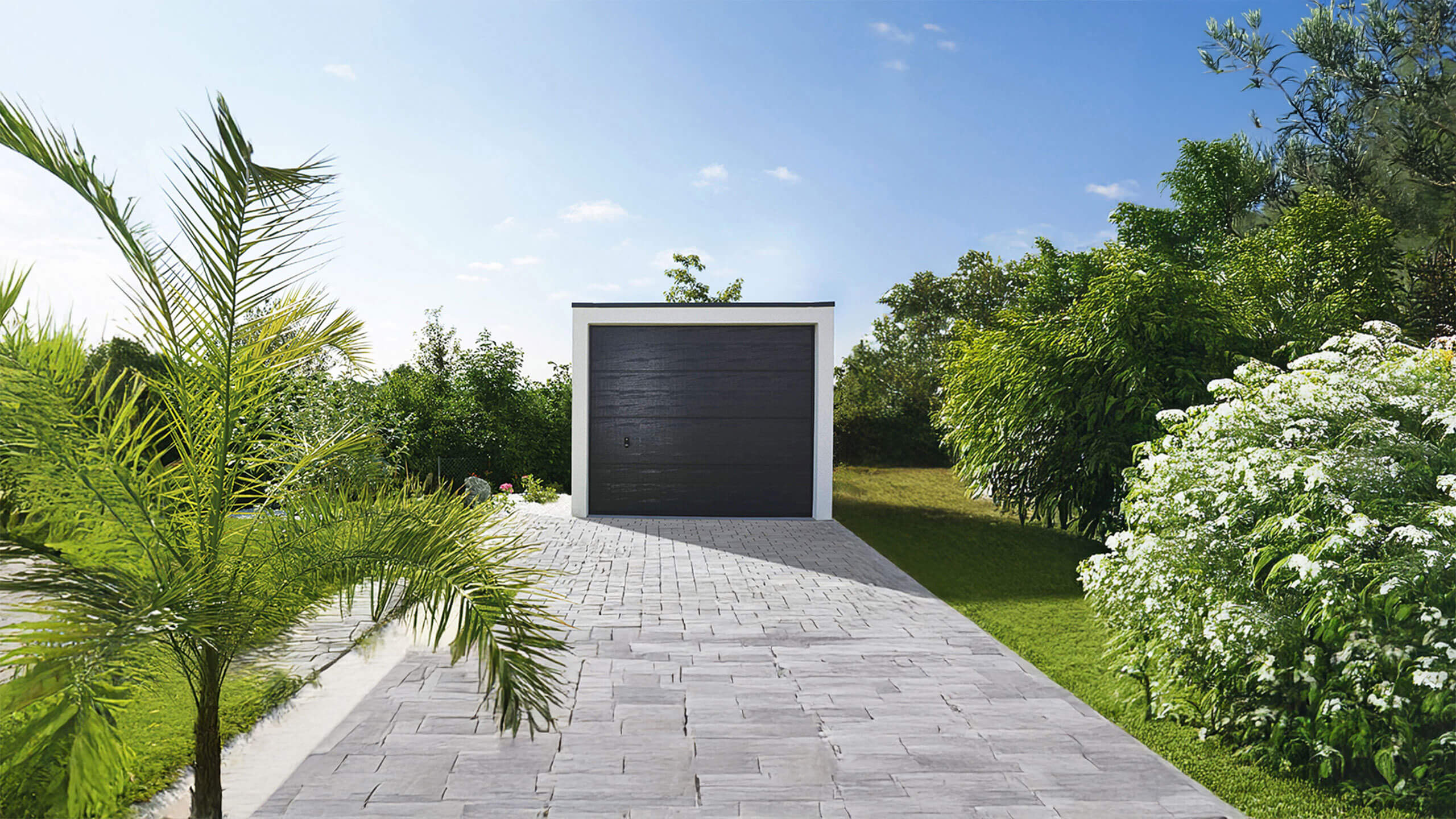
Configure your garage in 3D now and experience it virtually on your own property!
With our garage configurator, you can easily and intuitively put together the size, features, doors, windows, and extras in just a few steps. We will then arrange a non-binding consultation appointment with you, on the basis of which you will receive an individual quote, naturally at a fair price and with no obligation to purchase. Experience your configured garage in impressive 3D visualization during the non-binding consultation appointment.