Building a garage: costs, options, and tips from the experts (2026)

Are you planning to build a garage? Then you are faced with an important decision: build it yourself, have it built, or buy a prefabricated garage? Each option has advantages and disadvantages in terms of cost, time, and quality.

In this guide, you will learn which construction method is right for you and what you need to consider when planning. As a garage manufacturer since 1904, we know all the options – and will give you honest advice on which solution is best in each case.

  1. Building a garage: Your 3 options at a glance
  2. Building your own garage: Is it worth it?
  3. Prefabricated garage: The smart alternative
  4. Building permit for garages
  5. Checklist: Building a garage in 7 steps
  6. Conclusion: Which option is best?
  7. Frequently asked questions about building a garage
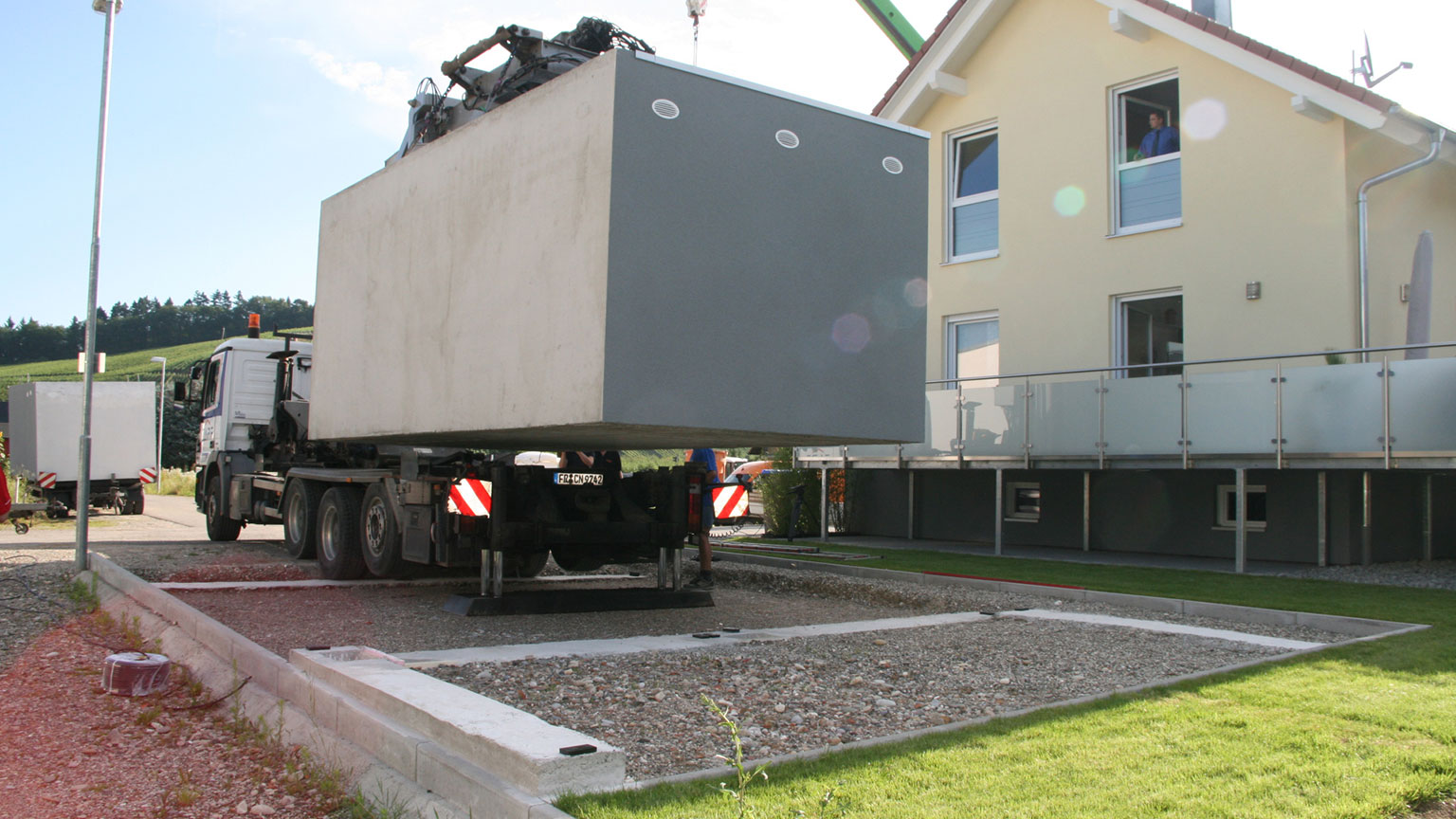
Placement of a concrete prefabricated garage using a truck-mounted crane onto a prepared strip foundation next to a residential building, garage unit suspended above the installation area, ZAPF quality by ZAPF


Detailed cost breakdown: All costs for prefabricated garages, foundations, and extras can be found in our detailed cost guide.

Option 1 – Build it yourself: The cheapest option, but only realistic for experienced DIYers. Expect a construction time of 4 to 8 weeks.

Option 2 – Have it built: Maximum flexibility in terms of dimensions, but the most expensive option. Construction time: 2 to 4 weeks with noise and dirt.

Option 3 – Prefabricated garage: Manufactured in the factory and erected in one day. Best value for money for most builders.

Building your own garage: Is it worth it?

Building your own garage sounds tempting at first – after all, it saves on labor costs. But the question arises as to whether this really makes sense in practice.

Requirements for building your own garage

Basically, building your own garage is only realistic if several conditions are met. On the one hand, you should already have a certain level of experience in manual work, for example in wood construction or bricklaying, so that you can handle the individual steps safely and efficiently. On the other hand, you need to allow sufficient time for the project — usually at least 100 hours, and in many cases even considerably more, depending on the complexity and size of the structure.

In addition, you will need the right tools and, ideally, active support from reliable helpers, since many tasks cannot be carried out alone. Furthermore, careful planning in advance is essential in order to avoid delays or mistakes during construction. Last but not least, you must be familiar with the applicable building regulations and, of course, be able to comply with them; otherwise, legal or structural problems may arise, which could lead to additional costs or time-consuming corrections later on.

Wooden garage or kit?

There are essentially two options for DIY builders. On the one hand, there is the possibility of building a wooden garage, as wood is relatively easy to work with and widely available. On the other hand, a garage kit can serve as a practical alternative, since it contains all the necessary parts as well as detailed assembly instructions, which can simplify the construction process considerably.

However, you should bear in mind that wood is significantly less weather-resistant than concrete and, therefore, may be more susceptible to moisture and temperature fluctuations. Moreover, it requires regular maintenance in order to remain stable and visually appealing in the long term. In addition, its service life is often limited to around 20 to 30 years, whereas solid constructions, by contrast, are frequently far more durable and can last for several decades with comparatively little maintenance.

Advantages and disadvantages of DIY

Advantages: Lower material costs, flexible scheduling

Disadvantages: Time-consuming (100+ hours), risk of construction errors, no warranty, shorter service life, regular maintenance required

Prefabricated garage: The smart alternative

A prefabricated concrete garage combines the advantages of both worlds: cheaper than bricklaying, faster than building yourself – and the quality of a professionally manufactured product.

Advantages of a prefabricated garage
  • Quick assembly: The garage is ready in a few hours
  • Consistent quality: Precise manufacturing in the factory
  • Durable: 50+ years of service life
  • All-inclusive: Delivery and assembly included in the price

Process: From ordering to the finished garage

  1. Consultation and configuration (size, door, equipment)
  2. Fixed-price quote
  3. Receive foundation plan and prepare foundation
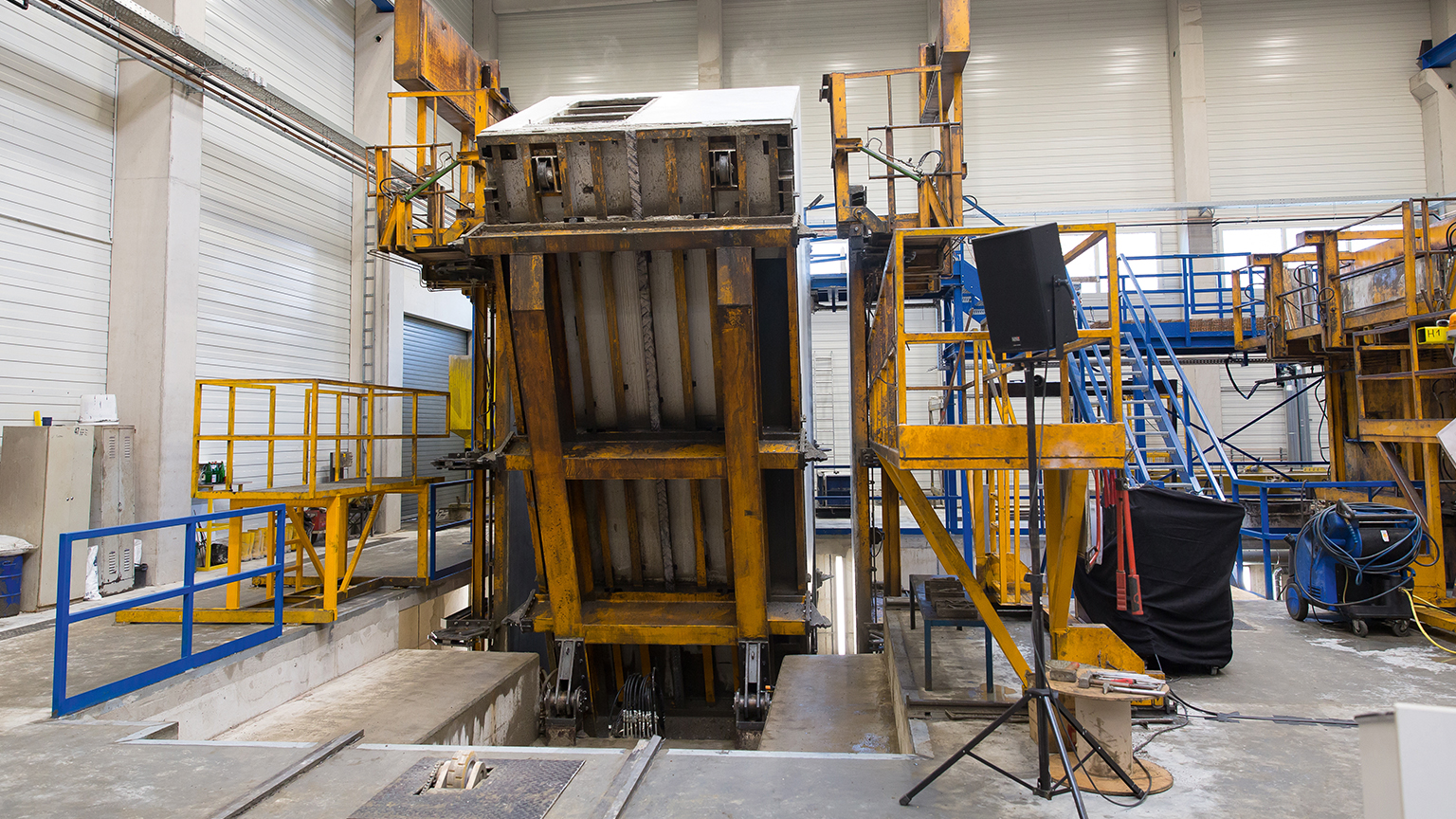
  4. Production at the factory (8–12 weeks)
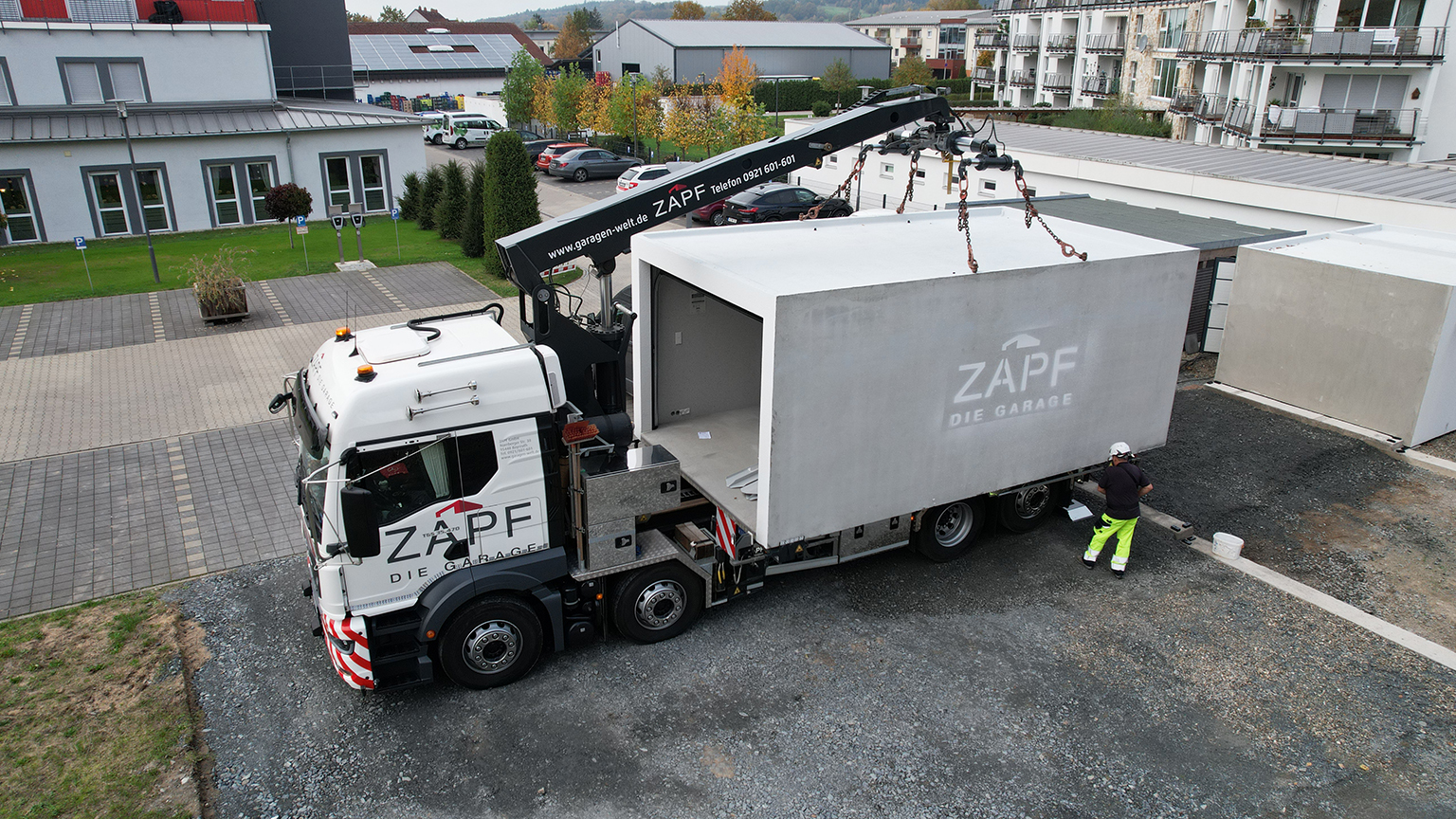
  5. Delivery and assembly by crane – done!
Prefabricated garage vs. brick garage

Criterion Prefabricated garage Brick

Construction time 1 day 2 to 4 weeks

Quality Consistently high Depends on the craftsman

Noise/dirt Minimal Construction site for weeks

→ Detailed comparison: Prefabricated garage or brick garage?

Installation of a concrete prefabricated garage using a truck-mounted crane onto a prepared foundation, garage unit with ZAPF logo being positioned on site, by ZAPF

Building permit for garages

Do I need a building permit? That depends on the federal state. In most federal states, garages up to 30–50 m² do not require a permit. However, clearance distances and zoning plan requirements must still be observed.

Federal state Permit-free up to

Bavaria 50 m²

North Rhine-Westphalia, Baden-Württemberg, Lower Saxony 30 m²

Hesse 50 m²

→ All federal states in detail: Do I need a building permit?


Don’t miss out on any more information!

Don’t want to miss out on creative ideas for your garage? Whether it’s clever uses, new products, or exclusive promotions, our ZAPF newsletter will keep you one step ahead. Get regular inspiration delivered straight to your inbox and stay up to date on how versatile a ZAPF garage really can be. Simply sign up and become part of our community – it’s easy and, of course, free.

Sign up now for free


Checklist: Building a garage in 7 steps

  1. Determine your needs: How many vehicles? Storage space?
  2. Set your budget: Garage + foundation + buffer
  3. Choose an option: Build it yourself, brick it or buy a prefab garage?
  4. Check building permits: Ask your local authority
  5. Select a supplier: Check their experience and warranty
  6. Prepare the foundation: Civil engineer or do it yourself
  7. Set up the garage: Prefab garages can be completed in a day!

→ Detailed checklist: Prefab garage purchase checklist

Stationary tilting and formwork system for manufacturing concrete prefabricated garages inside a factory, heavy steel construction with guide rails and work platforms in the production hall, ZAPF quality by ZAPF

Which option is best?

  • Maximum cost savings + lots of time + experience: Build it yourself
  • Custom dimensions + large budget: Have it built
  • Best value for money: Prefab garage

Our recommendation: For most builders, a prefab garage is the best choice. Cheaper than building from scratch, faster than building yourself – and you get consistently high quality. ZAPF garages – Made in Germany.


OUR SMART SOLUTION

ZAPF Garage Configurator

The ZAPF Garage Configurator With our garage configurator, you can design your garage according to your wishes in just a few clicks – from size to equipment.

Configure


Frequently asked questions about garage construction

How much does it cost to build a garage?

The cost of a garage varies significantly depending on the construction method and is usually between €5,000 and €37,000.

If you build the garage yourself, the cost is usually between €5,000 and €15,000, taking into account materials, tools, and possible additional costs. If you have the garage built by a contractor, the costs will be significantly higher, ranging from around €18,000 to €37,000, as labor and planning are particularly important factors here.

A prefabricated garage usually costs between €6,500 and €18,000, with the foundation often included in the price. This often results in a good balance between cost and performance.

Can I build a garage myself?

In principle, this is possible, but only if you have some DIY experience. A wooden garage or a kit is particularly suitable for experienced DIYers, as the construction is relatively straightforward.

How long does it take to build a garage?

The construction time depends heavily on the option you choose. If you are building it yourself, you should allow around 4 to 8 weeks, as the work is often done in your spare time or at the weekend.

Do I need a building permit?

Whether a building permit is required depends on the federal state. In many cases, garages up to around 30 to 50 m² do not require a permit. Nevertheless, boundary distances and other building regulations must be observed. It is therefore advisable to contact the relevant authority before starting construction.

Which is better: building a garage or buying a prefabricated garage?

For many builders, a prefabricated garage is an economically sensible solution. It is usually cheaper than a brick garage and can be built much faster than a DIY garage. In addition, builders benefit from consistently high quality and a predictable construction time.


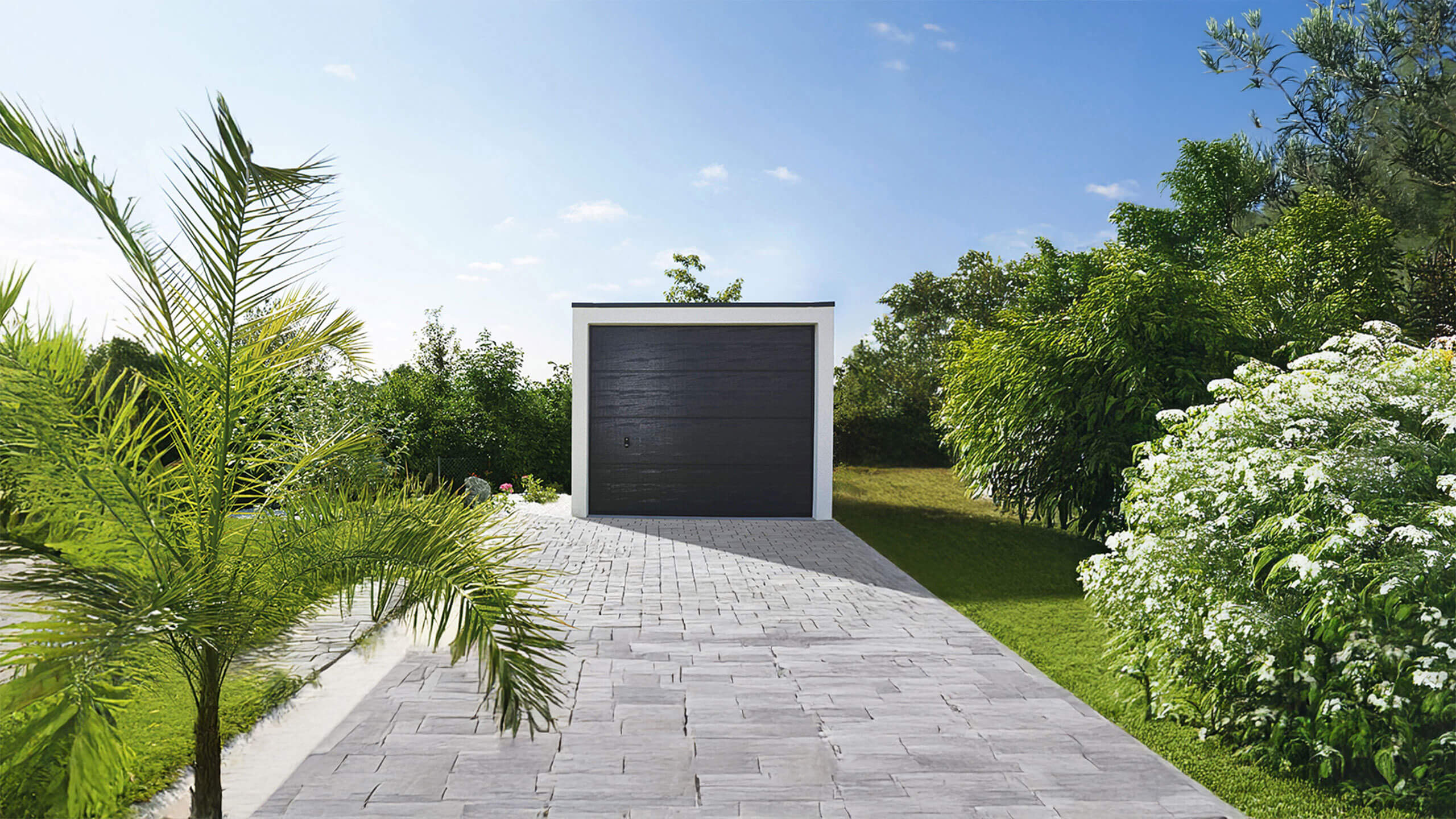
Single garage with black sectional door on a paved area surrounded by plants.

Configure your garage in 3D now and experience it virtually on your own property!

With our garage configurator, you can easily and intuitively put together the size, features, doors, windows, and extras in just a few steps. We will then arrange a non-binding consultation appointment with you, on the basis of which you will receive an individual quote, naturally at a fair price and with no obligation to purchase. Experience your configured garage in impressive 3D visualization during the non-binding consultation appointment.

Configure your garage now