

4. Clearance areas & boundary construction
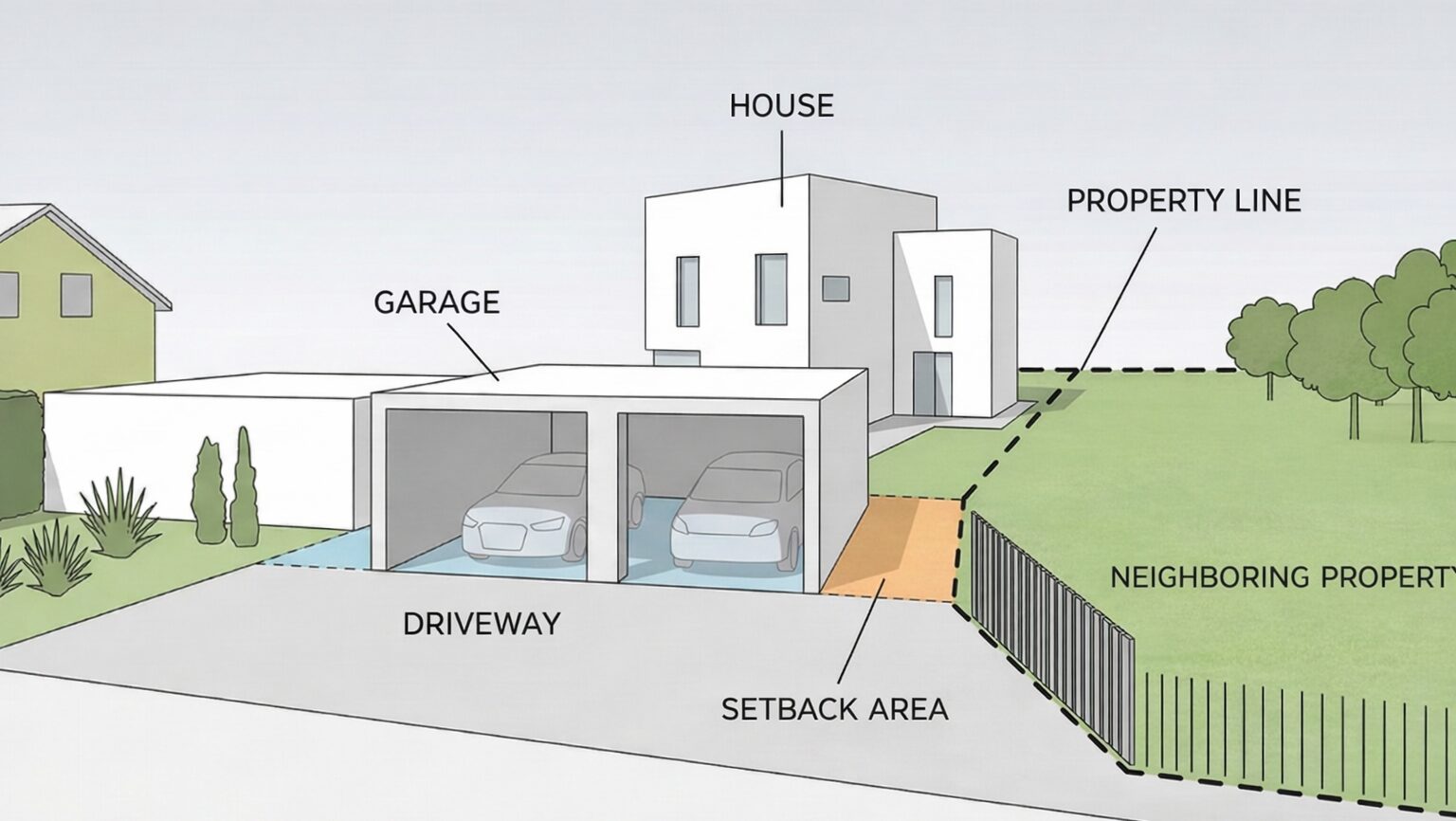
A key point in garage construction is clearance areas.
They determine the required distance to the neighbour and regulate how close a boundary may be built.
Minimum distances
If a garage is not located directly on the property boundary, a minimum distance of approximately 3 m must usually be maintained.
This rule ensures that buildings are sufficiently spaced apart.
Boundary construction
Under certain conditions, a garage boundary may be located directly on the property boundary.
Typical conditions are:
- maximum garage height of approximately 3 m
- maximum boundary length of approximately 9 m
- no recreation rooms
- use exclusively as a garage.
These regulations are part of neighbour law for garages.
Builders can find further information on clearance areas and neighbour law for garage construction on the Rhineland-Palatinate state law page.
5. Garage in the development plan
In addition to the state building regulations, the development plan is also important. The Rhineland-Palatinate development plan is drawn up by the respective municipality.
It can specify, for example:
- where a garage may be built
- which building restrictions apply
- which roof shapes are permitted
- how large the garage floor space may be
Builders should therefore always check the development plan before planning their garage.
6. Garages in rural areas
Special building regulations apply to garages in rural areas. Rural areas generally include properties located outside of towns or designated building areas. These include, for example, agricultural land, open countryside or properties that are not located within a development plan or a contiguously built-up district.
In these areas in particular, building law aims to protect the landscape as much as possible and prevent unplanned development. For this reason, building projects in rural areas are subject to significantly stricter regulations than those within towns.
For this reason, garages in rural areas are often not exempt from planning permission. In many cases, they may only be built if they are connected to an existing building, such as a residential house or an agricultural business. A detached garage on an undeveloped plot of land is therefore usually not permitted.
In addition, a building permit is often required for the garage, as the responsible building authority must check whether the building project complies with the provisions of the Building Code and the State Building Regulations. Builders should therefore clarify during the planning phase whether their property is located in an outlying area and what specific regulations apply to the construction of a garage.
7. Use of the garage and conversion
A garage is generally intended for vehicles.
This means that its main function is to park cars or motorcycles.
Conversion can therefore be problematic. For example, if the garage is used permanently as a workshop, storage room or living space.
In such cases, a garage permit may be required.
8. Parking space requirement and access
Many municipalities have a parking space requirement. This means that a certain number of parking spaces must be available for each residential building.
These parking spaces can be: garages, carports or outdoor parking spaces.
Garage access must also meet certain requirements. It must be sufficiently wide and must not obstruct road traffic.
9. Prefabricated garage vs. brick garage
Many builders today opt for a prefabricated garage. The prefabricated concrete garage is particularly popular.
The advantage: the garage is delivered complete. In addition, the construction time is very short.
However, there is no legal difference. This is because a prefabricated garage is subject to the same rules as a brick garage.
A prefabricated garage is only exempt from planning permission if all building regulations are complied with.
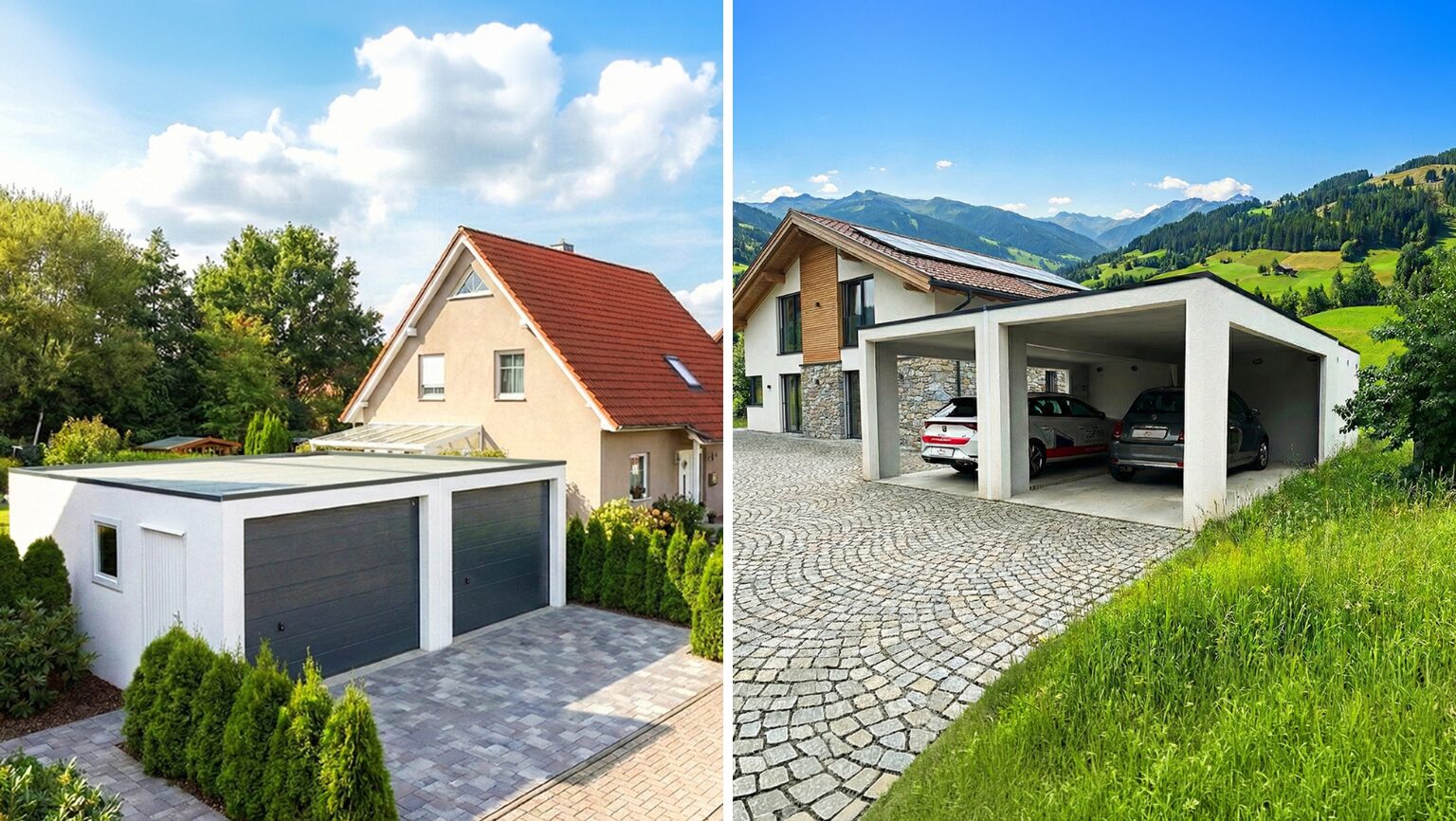
10. Special cases: double garages and carports
In addition to single garages, there are other types of structures.
Double garage
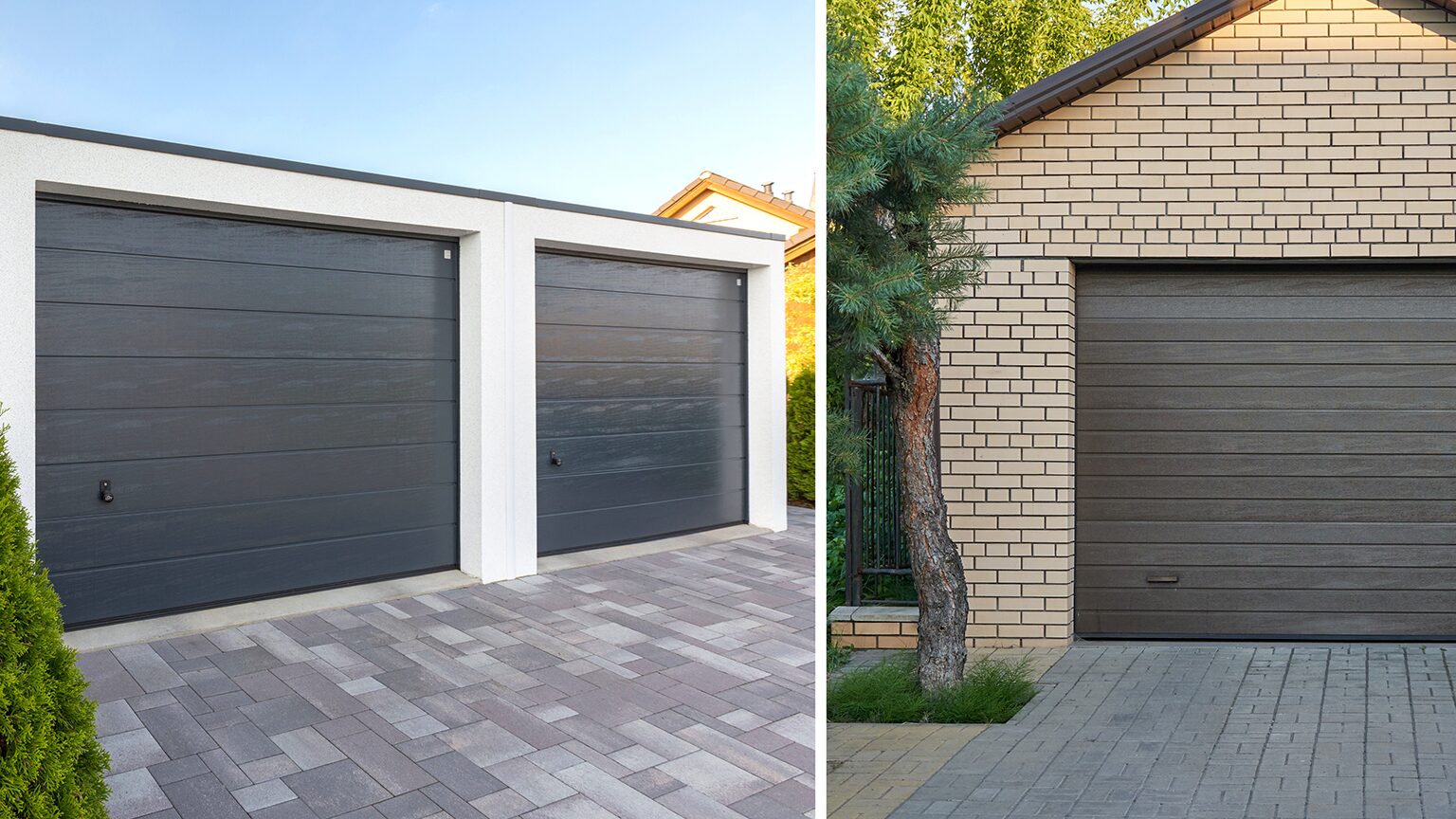
A double garage offers space for two vehicles. However, due to the larger garage floor space, a double garage permit may be required.
Carport
A comparison of carports and garages shows that the two types of structures are subject to different regulations in some cases.
A carport is usually more open in design. Nevertheless, rules regarding clearance areas or fire protection may also apply here.
11. Typical mistakes when building a garage
Similar mistakes often occur when building a garage.
Building without a permit
Some builders do not check whether a permit is required. This can result in a garage permit requirement later on.
Possible consequences are:
- Fines
- Construction freeze
- Demolition of the garage
Incorrect use
Repurposing a garage can also cause problems. In most cases, a garage may not be used permanently as a storage room.